Can testosterone cause stomach problems? Yes, but probably not in the way you think.
Oral testosterone causes mild gastrointestinal side effects in clinical trials. Nausea, bloating, and indigestion happen more often with oral forms than with injectable or transdermal testosterone.
Here's what surprises most men: research shows low testosterone may worsen digestive function. Studies link androgen depletion to slowed gut transit. One case study documented complete resolution of 30-year chronic acid reflux after a man started TRT-not because the therapy caused problems, but because restoring testosterone levels improved his digestive health.
The confusion comes from mixing up formulation effects with testosterone's actual role. Research suggests testosterone plays a role in normal digestive function. The side effects tied to TRT depend on the delivery method; how the hormone enters your system determines whether your stomach notices.
What Is Testosterone's Role in Digestive Health?
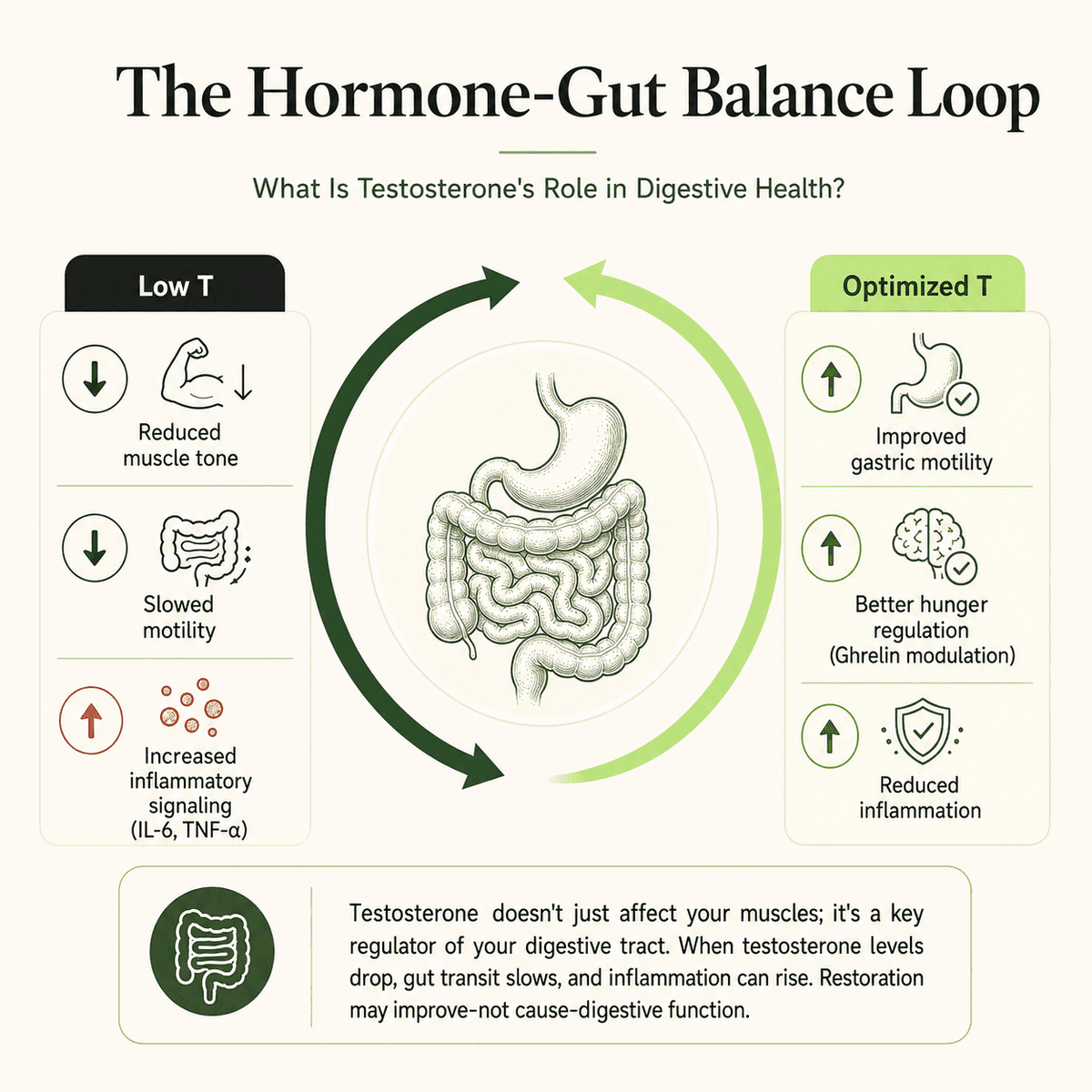
Testosterone influences gastrointestinal motility, muscle strength, appetite regulation, and gut bacteria.
Low testosterone levels affect multiple aspects of digestive function. Androgens regulate smooth muscle contractions in the digestive tract, maintain abdominal muscle tone, modulate hunger hormones, and influence gut bacterial populations.
The GI tract contains androgen receptors (AR) throughout its length, in the stomach, small intestine, and colon, with particularly dense expression in the colonic myenteric plexus. This receptor distribution is the biological basis for testosterone's direct effects on gut function. Testosterone does not affect digestion through systemic signals alone, it binds directly to receptors in GI tissue.
Testosterone and Gut Motility
Research shows androgen depletion is linked to slowed GI transit and abnormal gastrointestinal motility. The study found androgen-depleted conditions resulted in slower intestinal transit. Animal studies show sex steroids modulate gastric motility.
Testosterone and Appetite
Testosterone affects hunger through ghrelin, a major appetite hormone. Research shows TRT restores normal ghrelin levels in hypogonadal men. Another study shows testosterone correlates strongly with ghrelin levels. Changes in testosterone, whether through decline or therapy, can affect hunger, satiety, and digestive comfort.
Testosterone and Gut Microbiome
Studies show sex hormone levels associate with gut microbiome composition, and testosterone correlates with specific bacterial populations. Changes in testosterone may shift gut bacteria, affecting digestive function and nutrient metabolism.
Research also suggests testosterone may play a protective role against small intestine bacterial overgrowth (SIBO). Testosterone's anti-inflammatory and microbiome-modulating effects may help maintain the bacterial balance that prevents SIBO development. Men with low testosterone presenting with bloating, post-meal discomfort, and altered bowel habits that don't resolve with standard interventions should discuss SIBO evaluation with their provider.
How Low Testosterone Levels Affect Digestion
Low testosterone may contribute to digestive dysfunction, including slowed motility, altered gut bacteria, and reduced abdominal muscle tone.
Research suggests diminished androgen levels are linked to irritable bowel syndrome and abnormal GI motility. The study found androgen depletion slowed GI transit and contributed to IBS symptoms.
Testosterone, IBS, and Gut Inflammation
Low testosterone may worsen digestive issues beyond slowed motility. Research links androgen depletion to IBS through several mechanisms.
Testosterone has anti-inflammatory effects. It reduces inflammatory signaling molecules like IL-1β, IL-6, and TNF-α. When testosterone is low, gut inflammation may increase. This can worsen symptoms like abdominal pain, bloating, and irregular bowel movements.
Studies also show testosterone influences gut bacteria composition. When testosterone levels drop, beneficial bacteria may decrease while harmful strains increase. This imbalance contributes to digestive discomfort and inflammation.
Men with IBS often have lower testosterone levels than men without digestive issues. This suggests testosterone may play a protective role in gut health.
Testosterone and Inflammatory Bowel Disease (IBD)
Beyond IBS, research links low testosterone to inflammatory bowel disease (IBD), including Crohn's disease and ulcerative colitis. Over 40% of men with IBD have low testosterone levels. Low testosterone enhances pro-inflammatory signaling while reducing T cell immune modulation.
A study of 92 men with low testosterone and Crohn's disease receiving TRT for up to 7 years found improvement in inflammatory disease activity. IBD is a more severe condition than IBS and requires specialist gastroenterological management alongside any hormonal evaluation.
Men with IBD experiencing symptoms of androgen deficiency should discuss this intersection with both their gastroenterologist and a men's health provider.
Can TRT Improve Digestive Problems?
A case study in JCEM Case Reports documented complete resolution of 30-year chronic GERD after TRT in a 63-year-old man. After starting testosterone therapy, his acid reflux symptoms disappeared. He stopped taking proton pump inhibitors after eight years without rebound symptoms.
The study identified mechanisms through which testosterone may help improve overall GI function, including stomach pain.
Lower Esophageal Sphincter Function
Testosterone may increase resting tone and improve contractility. Sex-steroid hormone receptors exist in esophageal tissue, making hormonal modulation biologically plausible.
Anti-Inflammatory Properties
Testosterone reduces proinflammatory cytokines (IL-1β, IL-6, TNF-α). GERD involves inflammation from sphincter dysfunction. Testosterone-mediated reduction in esophageal inflammation could decrease symptom severity and improve mucosal integrity.
Weight Loss Effects
TRT assisted with 7-kilogram weight loss in the case study. Weight loss lowers intra-abdominal pressure and decreases gastroesophageal pressure gradient. However, the patient had previously maintained baseline weight while still symptomatic, suggesting weight loss alone doesn't fully explain the improvement.
Improved Gastric Motility
The study authors suggest improved gastric motility as a potential mechanism. The gut-brain axis, the bidirectional communication network between the central nervous system and the enteric nervous system in the gut, is directly influenced by testosterone. The Rastelli 2022 JCI study confirmed that androgen signaling in colonic myenteric plexus neurons is required for normal bowel function. This neural pathway explains why testosterone deficiency can produce IBS-like symptoms that don't respond to dietary interventions alone.
TRT may have a beneficial gastrointestinal effect in the study population.
Can Testosterone Therapy Cause Stomach Problems?
Yes. Testosterone therapy, particularly oral formulations, can cause mild gastrointestinal side effects. Clinical trials report nausea, indigestion, appetite changes, and mild abdominal discomfort. Most symptoms are transient and resolve within the first few weeks.
Evidence from Clinical Trials
A Phase III trial of oral testosterone undecanoate enrolled 327 hypogonadal men. The study reported "oral TU patients experienced a greater number of mild gastrointestinal adverse effects" compared to transdermal testosterone. The study noted oral testosterone "was not associated with liver toxicity" after 365 days of therapy.
Common Symptoms Reported
- Mild nausea (most common with oral forms)
- Indigestion or bloating
- Appetite changes
- Mild abdominal discomfort
- Transient digestive upset
The mechanism relates to first-pass metabolism. Oral medications pass through the digestive system and liver before entering circulation. This direct contact with the GI tract increases the likelihood of mild stomach-related effects.
How TRT Formulation Affects Digestive Symptoms
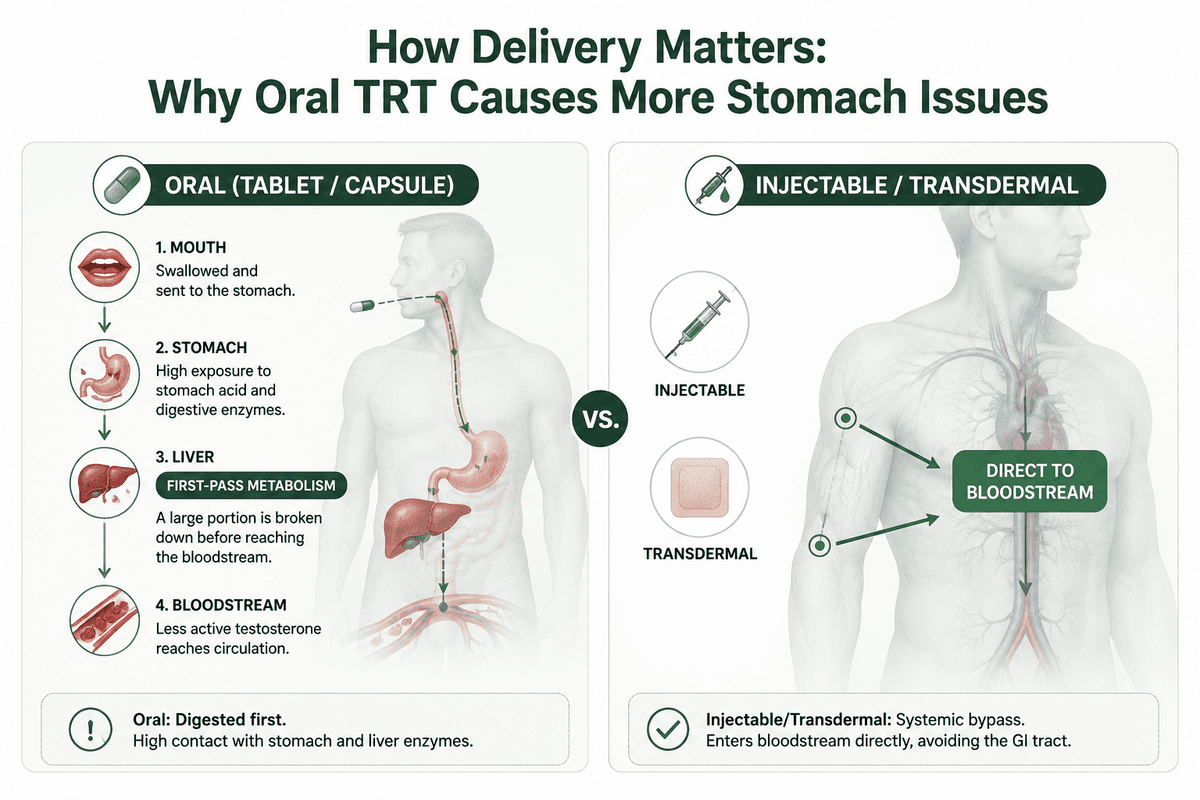
Oral testosterone has the highest association with gastrointestinal side effects due to first-pass liver metabolism. Injectable and transdermal forms cause fewer digestive issues.
Formulation Comparison
| TRT Formulation | GI Side Effect Risk | Why |
| Oral Testosterone | Higher (mild) | First-pass liver metabolism |
| Injectable Testosterone | Lower | Bypasses digestive system |
| Transdermal (Gel/Patch) | Lowest | Absorbed through skin |
| Testosterone Pellets | Lowest | Subcutaneous slow release |
The Phase III trial demonstrated oral formulations produce more gastrointestinal effects than topical alternatives.
Direct-to-Bloodstream Delivery
Injectable testosterone bypasses the digestive tract. The hormone enters muscle tissue and bloodstream directly. No exposure to stomach or intestines means rare GI side effects.
Skin Absorption Minimizes GI Effects
Transdermal testosterone delivers steady levels through skin absorption. The medication never passes through the digestive system, explaining very low stomach symptoms.
Long-Acting Subcutaneous Release
Testosterone pellets are implanted subcutaneously and release testosterone over 3-6 months. Like injectables and transdermals, pellets don't interact with the GI tract.
For men experiencing digestive discomfort on oral TRT, switching to injectable or transdermal formulations often resolves symptoms while maintaining therapeutic testosterone levels. But remember, a doctor or medical professional should advise you which one to take.
When Should You Be Concerned? Side Effects to watch for:
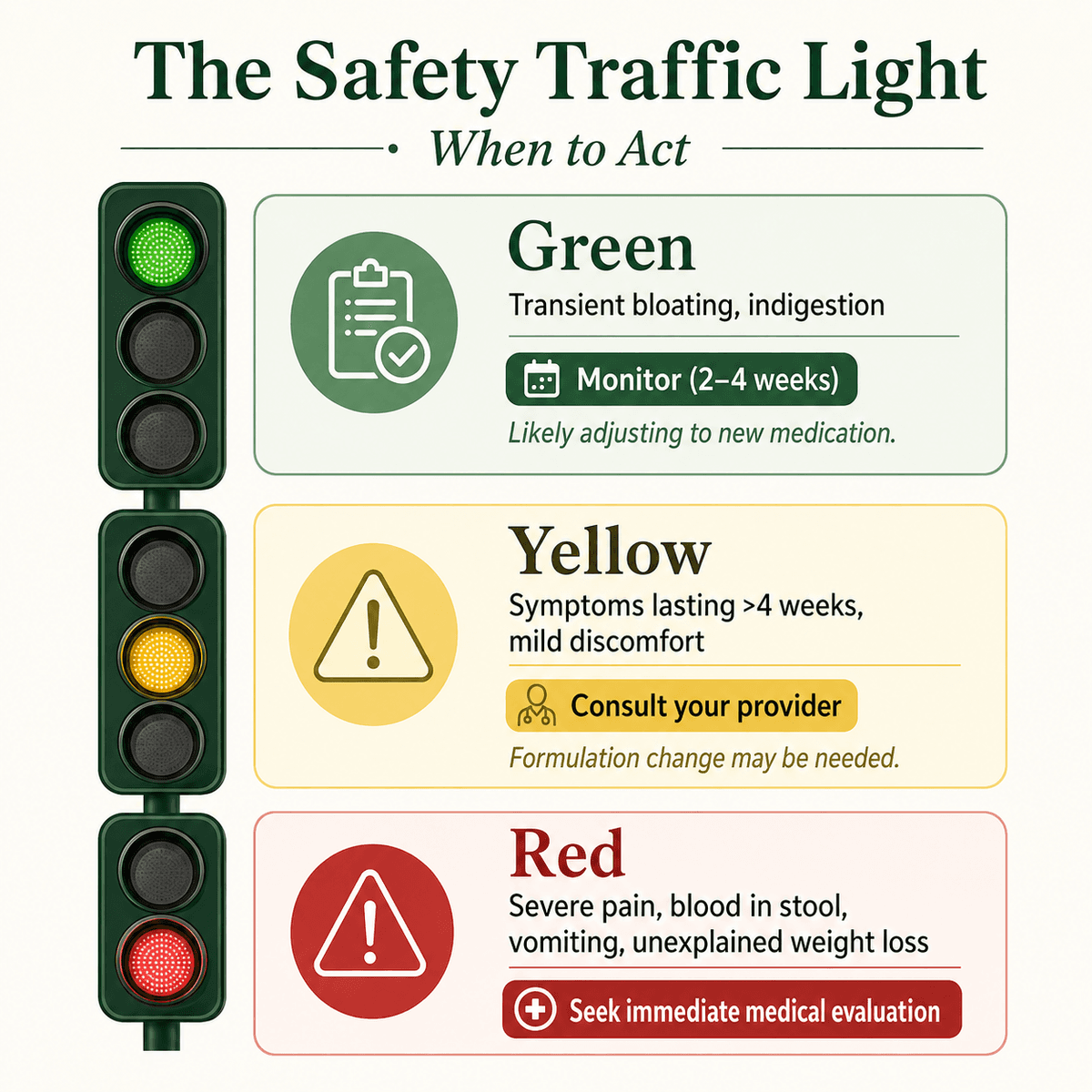
Severe or persistent symptoms like intense abdominal pain, vomiting, blood in stool, jaundice, or unexplained weight loss, require immediate medical evaluation and are not typical TRT side effects.
[cta]Red Flags (Seek Medical Attention)
- Severe abdominal pain (sudden or worsening)
- Persistent vomiting (unable to keep food down)
- Blood in stool or black, tarry stools
- Jaundice (yellowing of skin or eyes)
- Unexplained weight loss or persistent loss of appetite
- Symptoms lasting beyond 4-6 weeks
These symptoms are not typical TRT side effects. They may indicate pre-existing or newly developed conditions requiring treatment.
When it's Likely NOT the TRT
- Pre-existing digestive conditions (IBS, ulcers, GERD, gallstones)
- Dietary changes coinciding with therapy start
- Stress or lifestyle factors
- Other medications or supplements
Who Should Not Use TRT Due to Digestive Concerns?
Men with severe liver disease, active peptic ulcers, inflammatory bowel disease requiring active management, or malabsorption disorders should discuss TRT risks carefully with their provider.
Relative Contraindications
Severe hepatic impairment
Oral TRT undergoes liver metabolism. Men with compromised liver function may not metabolize the hormone properly. Injectable and transdermal formulations may be safer.
Active peptic ulcer disease
Active gastric or duodenal ulcers may worsen if oral TRT irritates the stomach lining.
Severe inflammatory bowel disease
Active inflammation may be affected by hormone changes or medication absorption.
Malabsorption syndromes
Conditions like celiac disease or chronic pancreatitis impair absorption. Oral testosterone may not absorb reliably. Injectable or transdermal formulations work better.
History of GI bleeding
Men with prior bleeding from ulcers or varices should be monitored carefully.
Oral TRT requires passage through the stomach and intestines. Pre-existing digestive or liver conditions can interfere or be aggravated. Injectable and transdermal formulations bypass the GI tract, making them safer for men with digestive concerns.
FAQ
Does testosterone replacement therapy always cause stomach problems?
No. Most men on TRT do not experience stomach problems. When symptoms occur, they are mild and resolve within the first few weeks. Oral testosterone causes more GI effects than injectable or transdermal options.
Does TRT cause bloating?
TRT can cause mild bloating, particularly with oral formulations due to first-pass metabolism through the digestive system. Bloating is less common with injectable or transdermal testosterone. If bloating persists beyond a few weeks or worsens, discuss formulation changes with your provider.
Does TRT cause diarrhea?
Diarrhea is not a common side effect of TRT. If diarrhea occurs after starting TRT, it is more likely related to other factors such as dietary changes, stress, medications, or pre-existing digestive conditions. Persistent diarrhea requires medical evaluation.
Is it true that injectable testosterone may cause digestive issues?
Injectable testosterone rarely causes stomach problems because it bypasses the digestive system. The hormone enters muscle tissue and bloodstream directly without passing through the stomach or intestines.
Will stomach problems from TRT go away on their own?
Mild digestive symptoms typically resolve within 2-4 weeks as your body adjusts. If symptoms persist beyond four weeks, worsen, or become severe, medical evaluation is needed.
Can TRT cause digestive system acid reflux?
Clinical evidence suggests TRT may improve (not causeacid reflux) in men with low testosterone. A case study showed complete GERD resolution after starting TRT. If acid reflux develops on TRT, consider other factors like dietary changes, weight gain, or pre-existing conditions.
Should I stop hormone replacement therapy if I have stomach problems?
Do not stop TRT without consulting your healthcare provider. Abruptly stopping therapy can cause hormonal fluctuations. Mild symptoms often improve with formulation changes, dose adjustments, taking oral testosterone with food, or allowing time for adjustment.
Can testosterone cause constipation?
Low testosterone is more likely to cause constipation than TRT itself. Androgen depletion slows colonic transit (Rastelli 2022). When TRT restores testosterone levels, constipation often improves. If constipation develops after starting TRT, it is more likely related to dehydration, dietary changes, or reduced physical activity than the testosterone itself.
Can TRT cause nausea?
Oral testosterone is the most common cause of TRT-related nausea due to first-pass metabolism. Taking oral testosterone with a fat-containing meal significantly reduces nausea. Injectable and transdermal formulations do not pass through the GI tract and rarely cause nausea. If nausea persists beyond 2–4 weeks on oral TRT, discuss switching to injectable or transdermal formulations with your provider.
Does testosterone affect stomach acid?
Clinical evidence suggests TRT may improve lower esophageal sphincter function and reduce GERD, not worsen it. A 2026 JCEM Case Report documented complete resolution of 30-year chronic acid reflux after TRT. The proposed mechanisms include improved LES tone, reduced esophageal inflammation, and improved gastric motility - all consistent with androgen receptor activity in esophageal tissue.
Can low testosterone cause a leaky gut?
Research suggests testosterone may play a protective role in maintaining gut barrier integrity. TRT increases gut permeability protection against inflammation. Low testosterone is associated with increased intestinal permeability markers in some studies, which contributes to systemic inflammation and may worsen digestive symptoms.
Does testosterone affect gut bacteria?
Yes. Sex hormone levels associate with gut microbiome composition. Testosterone correlates with specific bacterial populations, and changes in testosterone may shift gut bacteria - affecting digestive function and nutrient metabolism. TRT may shift the microbiome toward a healthier profile in men with confirmed hypogonadism, though this research is still emerging.
Can testosterone therapy cause ulcers?
There is no established direct link between TRT and peptic ulcer development. Men with active peptic ulcer disease should discuss TRT risks with their provider, particularly for oral formulations that pass through the stomach. Injectable and transdermal formulations bypass the GI tract entirely and do not carry direct ulcer risk.
Conclusion
Research suggests testosterone plays a role in digestive health influencing gut motility, muscle tone, appetite, and microbiome composition. Low testosterone may contribute to digestive dysfunction. In some cases, restoring testosterone levels improves gastrointestinal symptoms.
Testosterone therapy can cause mild stomach-related side effects, particularly with oral formulations, due to first-pass metabolism. These symptoms are typically mild and resolve within weeks. Injectable and transdermal testosterone bypass the GI tract and cause fewer digestive side effects.
Formulation choice matters. Men with digestive concerns should discuss the safest TRT options with their provider. Injectable and transdermal testosterone offer effective hormone replacement without exposing the digestive system to direct medication contact.
Clinical supervision is essential. Medicine should be guided by confirmed hypogonadism, regular blood work, and ongoing monitoring.
References
- Tamang R, Disney B, Foster J. Unexpected resolution of chronic gastroesophageal reflux disease with testosterone replacement therapy. JCEM Case Rep. 2026 May 5;4(6):luag082. doi: 10.1210/jcemcr/luag082. PMID: 42093862; PMCID: PMC13142142. https://pubmed.ncbi.nlm.nih.gov/42093862/
- Swerdloff RS, Dudley RE. A new oral testosterone undecanoate therapy comes of age for the treatment of hypogonadal men. Ther Adv Urol. 2020 Jun 30;12:1756287220937232. doi: 10.1177/1756287220937232. PMID: 32655691. https://pubmed.ncbi.nlm.nih.gov/32655691/
- Rastelli D, Robinson A, Lagomarsino VN, Matthews LT, Hassan R, Perez K, Dan W, Yim PD, Mixer M, Prochera A, Shepherd A, Sun L, Hall K, Ballou S, Lembo A, Nee J, Rao M. Diminished androgen levels are linked to irritable bowel syndrome and cause bowel dysfunction in mice. J Clin Invest. 2022 Jan 18;132(2):e150789. doi: 10.1172/JCI150789. PMID: 34847080; PMCID: PMC8759776. https://pmc.ncbi.nlm.nih.gov/articles/PMC8759776/
- Güal O, Bozkurt A, Deniz M, Sungur M, Yeğen BC. Effect of sex steroids on colonic distension-induced delay of gastric emptying in rats. J Gastroenterol Hepatol. 2004 Sep;19(9):975-81. https://pubmed.ncbi.nlm.nih.gov/15304112/
- Testosterone replacement therapy restores normal ghrelin in hypogonadal men. PMID: 12970277. https://pubmed.ncbi.nlm.nih.gov/12970277/
- Collden H, Landin A, Wallenius V, Elebring E, Fändriks L, Nilsson ME, Ryberg H, Poutanen M, Sjögren K, Vandenput L, Ohlsson C. The gut microbiota is a major regulator of androgen metabolism in intestinal contents. Am J Physiol Endocrinol Metab. 2019 Dec 1;317(6):E1182-E1192. PMCID: PMC6962501. https://pmc.ncbi.nlm.nih.gov/articles/PMC6962501/
- Shin JH, Park YH, Sim M, Kim SA, Joung H, Shin DM. Serum level of sex steroid hormone is associated with diversity and profiles of human gut microbiome. Res Microbiol. 2019 Jun-Aug;170(4-5):192-201. doi: 10.1016/j.resmic.2019.03.003. Epub 2019 Mar 30. PMID: 30940469. https://pubmed.ncbi.nlm.nih.gov/30940469/
- d'Afflitto M, Upadhyaya A, Green A, Peiris M. Association Between Sex Hormone Levels and Gut Microbiota Composition and Diversity-A Systematic Review. J Clin Gastroenterol. 2022 May-Jun 01;56(5):384-392. PMID: 35283442; PMCID: PMC7612624. https://pubmed.ncbi.nlm.nih.gov/35283442/