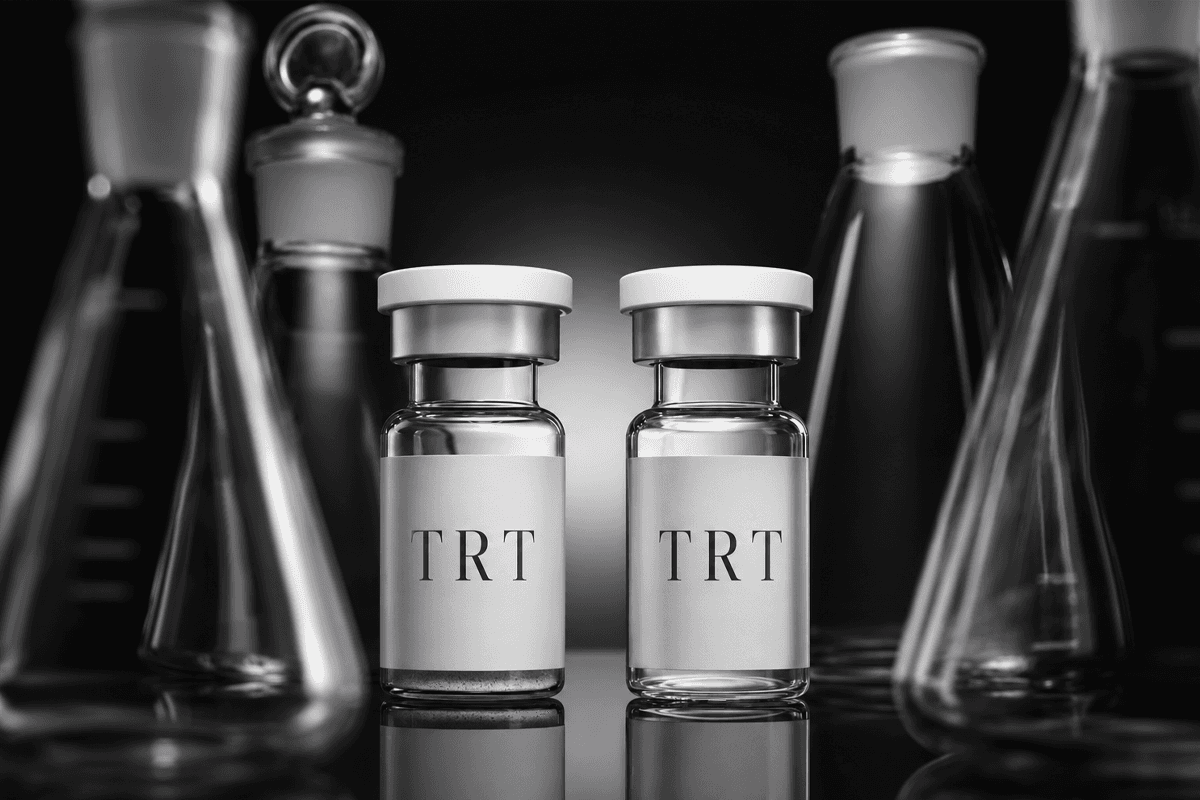
Testosterone pellets and testosterone cream both treat the same hormonal deficiency. What they do differently is everything in between: how the hormone enters your body, how consistently it maintains your levels, and what your daily life looks like while using them.
Both fall under the broader category of bioidentical hormone replacement therapy. Both can be formulated to match the body's natural hormones. And both require a confirmed diagnosis of testosterone deficiency, a licensed provider, and a treatment plan based on your blood levels and medical history. Neither is a shortcut.
The choice between them matters clinically. Inconsistent dosing from a cream can leave your hormone levels fluctuating in ways that affect mood, energy, libido, and symptom relief. A pellet that is too large for your body has no easy correction path until it dissolves. Getting the delivery method right is not a minor decision, and understanding the real differences between these two options helps you have a more informed conversation with your provider.
This article covers how each formulation works, what the research shows about their performance and risks, and the practical factors that help determine which one fits your situation.
What Hormone Pellets Are and How Pellet Therapy Works
Hormone pellets are small, compressed cylinders of bioidentical hormone roughly the size of a grain of rice. They are inserted subcutaneously through a minor surgical procedure performed in-office under local anesthesia using a small incision, typically in the upper buttock or hip area.
The Hormone Pellet Insertion Process
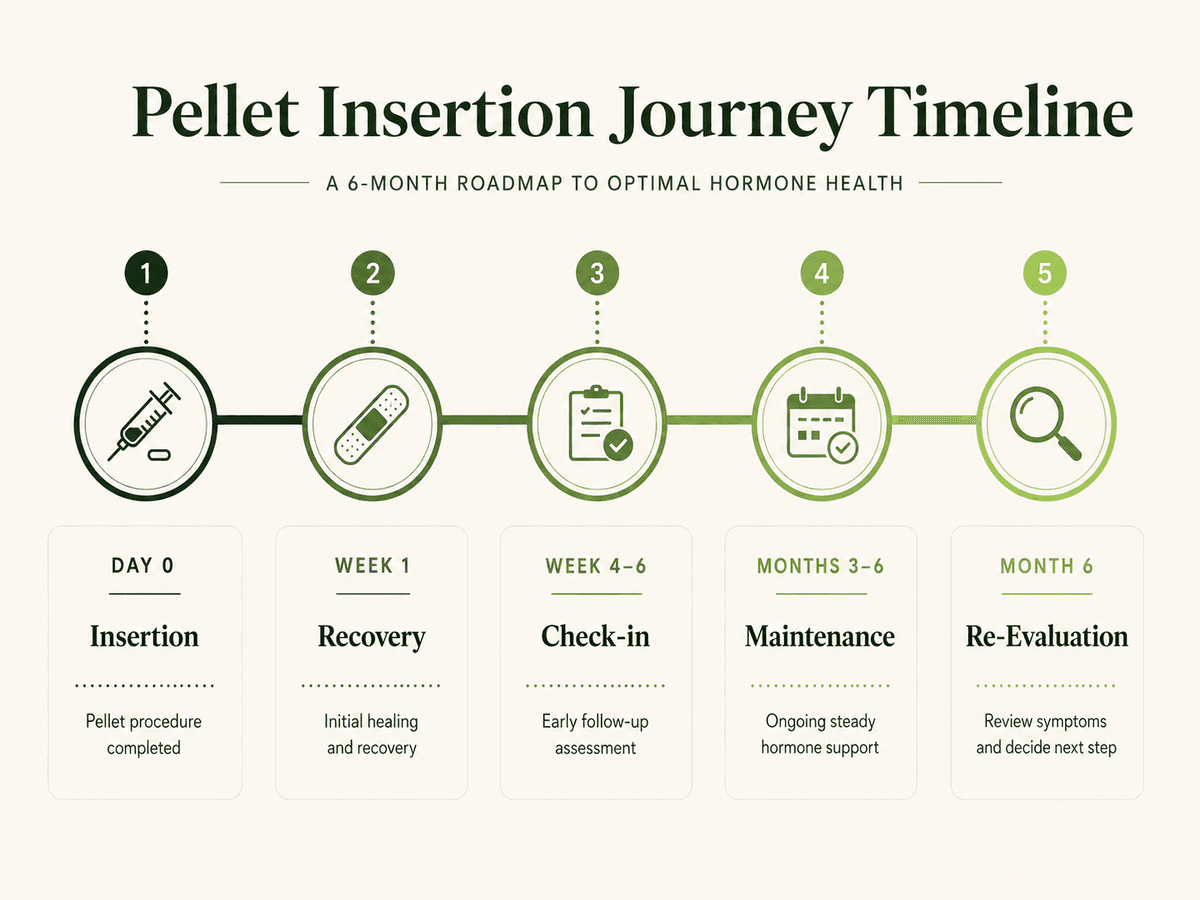
The insertion procedure takes a few minutes. Your provider numbs the skin, makes a small incision, and inserts one or more pellets into the subcutaneous fat using a trocar. The incision is closed with a small adhesive strip. You are typically advised to avoid water exposure, strenuous activity, and lower body exercise for a few days after insertion. The pellets dissolve on their own over 3 to 6 months as your body temperature and blood flow dissolve the compressed hormone into your bloodstream.
How Pellets Release Hormones
Subcutaneous pellets release hormones at a rate influenced by your activity level and circulation. More physical activity increases blood flow to the insertion site, which slightly accelerates hormone release. This means the delivery system responds to some degree to your body's demands, which some providers and patients consider an advantage for people with active lifestyles. Testosterone levels typically peak within the first several weeks after insertion and gradually decline as the pellets dissolve.
Estrogen Pellets and Combination Therapy
In women, pellet therapy often involves both estrogen pellets and testosterone pellets inserted at the same time. The hormone pellet insertion covers both hormones in a single in-office procedure, which some patients prefer over managing multiple daily applications. Micronized progesterone is typically prescribed separately as an oral or vaginal formulation since progesterone is not available in stable pellet form.
What Hormone Creams Are and How They Work
Testosterone cream, like other hormone creams, is applied topically to the skin where the hormone absorbs into the bloodstream through the skin surface. Most creams used in hormone replacement therapy are compounded preparations, formulated by a compounding pharmacy based on a provider's prescription for your specific dose.
The Delivery Method: How Hormones Enter Through Skin
Hormone creams are applied once or twice daily, typically to thin-skinned areas such as the inner wrist, inner arm, inner thigh, or the labia in women. The amount of testosterone that actually reaches the bloodstream, the bioavailability, varies depending on the skin's thickness and condition, the area of application, how much is applied, whether the area is washed before the next dose, and hydration and temperature at the time of application.
A randomized crossover study published in Clinical Pharmacology in Drug Development comparing two testosterone gel formulations found that bioavailability differed by up to 2.6-fold between formulations in the same group of men, despite equivalent doses. If you have switched creams or changed application sites and noticed a difference in how you feel, this variability in absorption is a plausible explanation. The same dose on the same person does not always deliver the same result.
Inconsistent Dosing Is the Primary Clinical Challenge
Inconsistent dosing is the most commonly cited limitation of hormone creams in clinical practice. Variables including water exposure shortly after application, exercise-induced sweating, and skin condition can all reduce the amount of hormone absorbed in a given application. Unlike pellets, which release hormone continuously regardless of external factors, cream absorption is subject to daily variation. This can make it more difficult to maintain consistent hormone levels between blood tests.
How Testosterone Pellets vs Cream Compare: Key Differences
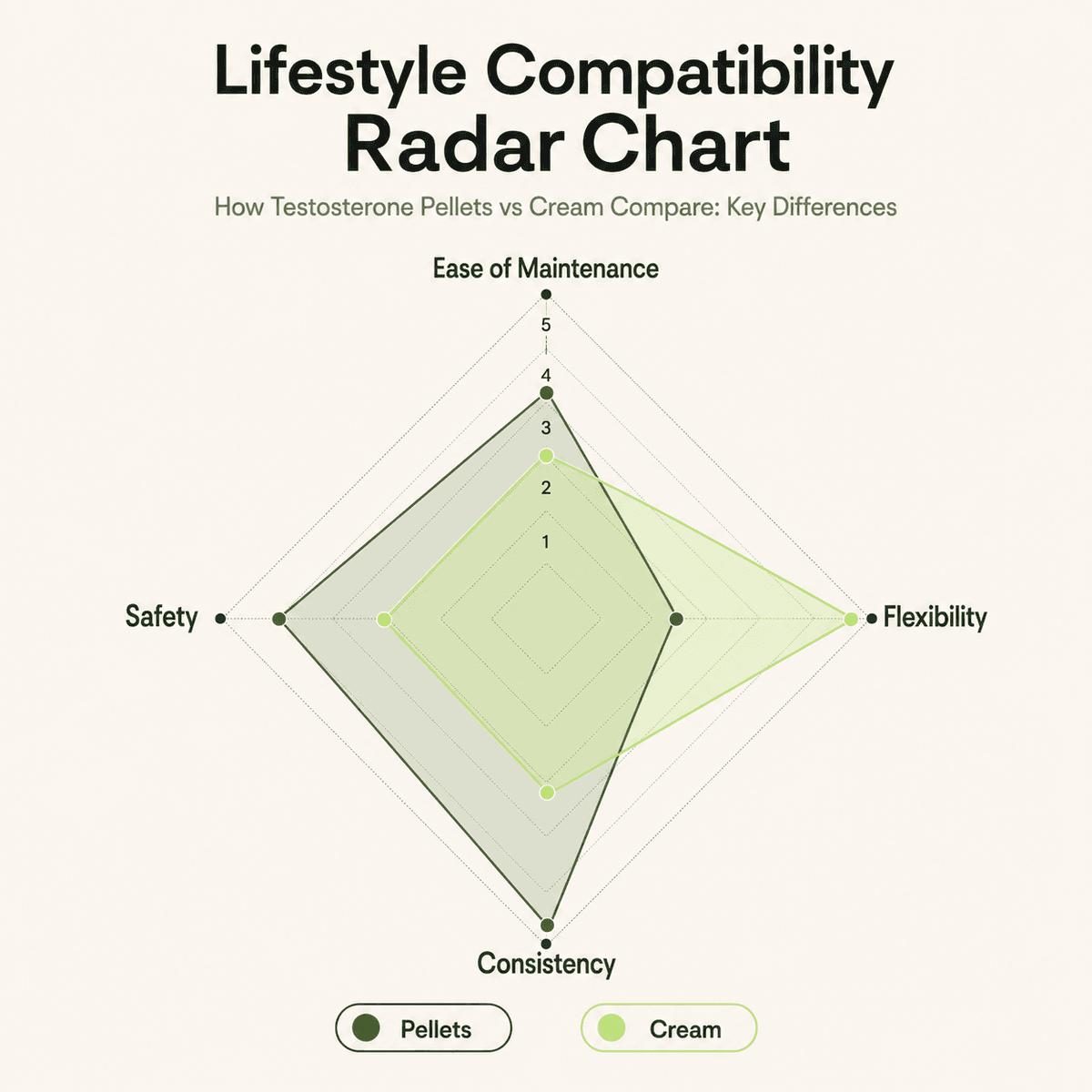
The table below summarizes the clinically relevant differences between the two delivery methods.
| Feature | Testosterone Pellets | Testosterone Cream |
| Delivery method | Subcutaneous implant, in-office procedure | Topical, self-applied daily |
| Hormone release | Steady, continuous over 3 to 6 months | Variable, absorption-dependent daily |
| Consistent hormone levels | High, once levels are established | Variable, dependent on application consistency |
| Dose adjustment | Not possible until pellets dissolve | Adjustable with each prescription refill |
| Procedure required | Minor surgery under local anesthesia | None |
| Interpersonal transfer risk | None | Present, particularly with skin contact |
| FDA approved formulation | Testopel is FDA approved; most compounded pellets are not | Most creams are compounded, not FDA approved |
| Typical dosing interval | Every 3 to 6 months | Daily or twice daily |
| Active lifestyle suitability | Compatible with active lifestyles | Requires care around water exposure and skin contact |
| Active lifestyle suitability | Compatible with active lifestyles | Requires care around water exposure and skin contact |
| Annual cost structure | Front-loaded per-procedure cost, roughly $1,000 to $4,000/year depending on insertion frequency | Recurring monthly cost, roughly $1,200 to $3,600/year |
Insertion Site Complications
The most documented risks of pellet therapy relate to the insertion site. A retrospective safety analysis published in the Journal of Sexual Medicine reviewed 292 Testopel implant procedures in 80 men and found an infection rate of 0.3%, significantly lower than historical data from older pellet formulations which ranged from 1.4% to 6.8%. Pellet extrusion, where a pellet works its way out through the incision site, occurred in 0.3% of procedures, also lower than historical rates of 8.5% to 12%. The authors noted that patients who followed post-procedure instructions had no infection or extrusion events. You may find these numbers reassuring, though it is worth understanding that even low-probability complications require prompt attention if they occur.
No Mid-Cycle Dose Adjustment
Once pellets are inserted, your provider cannot reduce the dose if your testosterone levels come in higher than expected or if you experience side effects. You must wait for the pellets to dissolve over their natural timeline, which can take several months. If your levels are significantly elevated after insertion, you may experience side effects associated with high testosterone, including elevated hematocrit, acne, or increased irritability, without a straightforward way to correct them quickly.
Elevated Hematocrit
Testosterone from any delivery method can raise red blood cell production, increasing hematocrit to levels that raise the risk of blood clots. This risk applies to both pellets and creams, but with pellets the dose is fixed, which means if your hematocrit rises too high, the correction options are limited to donation or waiting for pellet dissolution. Hematocrit monitoring at 3, 6, and 12 months is standard clinical practice for any testosterone formulation.
Fertility Suppression
Both pellets and cream suppress pituitary signaling that drives sperm production. If you are considering testosterone therapy and want biological children in the future, this must be discussed with your provider before choosing any formulation, pellet or cream.
Compounded Pellet Quality Variability
The vast majority of pellets used in hormone pellet therapy in the United States are compounded preparations, not the FDA-approved Testopel product. Compounded pellets are not subject to the same manufacturing standards as FDA-approved drugs. A clinical review published in the International Journal of Impotence Research noted that TRT can be individualized across formulations, but that monitoring and screening remain essential regardless of the delivery method chosen. Potency, sterility, and dosing consistency can vary between compounding pharmacies for both pellets and creams.
Risks of Testosterone Cream
Interpersonal Hormone Transfer
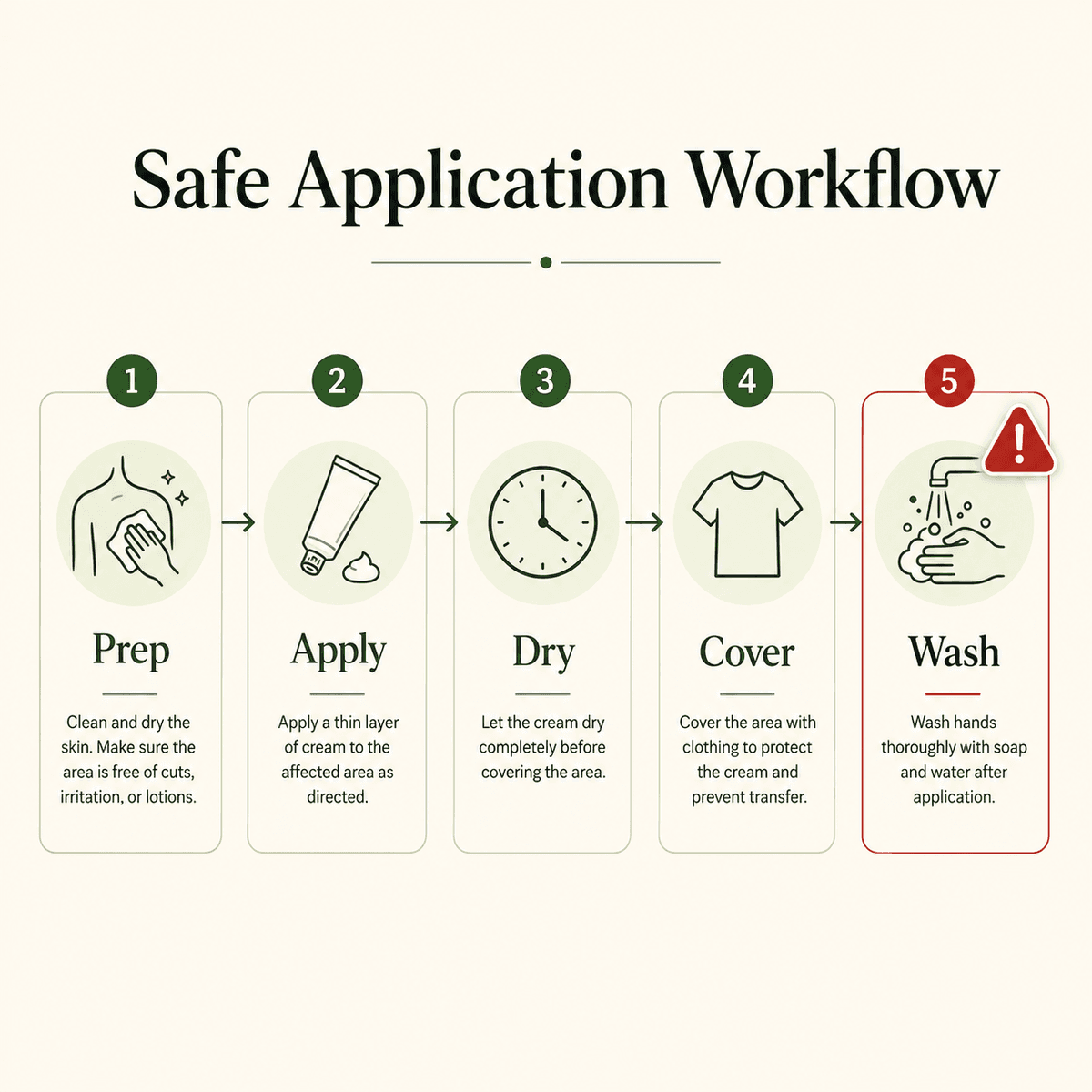
Hormone creams carry a risk that pellets do not: the ability to transfer testosterone to another person through skin contact. A randomized clinical study published in Clinical Endocrinology evaluated testosterone gel transfer between a treated man and a contact person. The study found that after 8 hours, approximately 60% of applied testosterone remained on the skin. After washing with water, only about 14% could be recovered. When skin contact occurred without prior washing, no significant increase in testosterone serum levels was detected in the receiving subject under controlled conditions. However, the study authors noted that transfer risk to women or children, who require far smaller exposures to experience hormonal effects, requires caution. If you live with a partner, children, or pets, proper application technique and allowing the cream to dry fully before contact are non-negotiable steps.
Later case reports have shown that persistent unprotected skin contact might cause virilization in female partners and premature puberty in children. Later controlled investigations indicated that female partners' serum testosterone levels rose 24% to 70% after direct skin contact with 2.5–5 g gels. These data demonstrate that the precaution against unprotected skin contact is based on clinical outcomes, not merely lab speculation.
Following this incident, the FDA has issued warnings on testosterone gel product labeling for children and pregnant women.
Skin Irritation
Skin reactions are more commonly reported with hormone creams and gels than with pellets. The androgen replacement review published in Drugs noted that transdermal testosterone gels produce fewer skin irritations than testosterone patches, but that skin reactions remain a documented side effect of topical formulations. Redness, itching, and dryness at the application site can occur. Rotating application sites reduces cumulative irritation.
Variable Absorption Leading to Inconsistent Symptom Relief
The clinical consequence of variable cream absorption is unpredictable hormone levels between blood tests. You may apply the same dose consistently every day and still find your blood levels fluctuating meaningfully depending on the factors described earlier. This makes it harder for your provider to assess whether a dosing change is needed or whether variation in your levels reflects how you applied the cream. For patients whose symptoms are sensitive to even modest fluctuations in testosterone, this variability is a genuine clinical drawback.
Possible Benefits of Pellet Therapy
Consistent Hormone Delivery Without Daily Management
The primary advantage of pellet therapy is consistent hormone delivery over a long period without any daily action required on your part. Once inserted, the pellets release hormone steadily according to your body's activity and temperature. You do not need to remember a daily application, manage water exposure, or worry about transferring hormone to others. For patients with active lifestyles or complex daily schedules, this hands-off delivery model addresses a real compliance barrier that affects how well any treatment actually works.
High Patient Satisfaction in Clinical Data
A prospective patient satisfaction survey published in the Journal of Sexual Medicine surveyed 382 men on various TRT formulations, including pellets, gels, and injections. Overall satisfaction was 70% across all groups. Pellet users reported higher rates of satisfaction within the first 12 months specifically, and cited convenience and ease of use as their primary reasons for choosing this method. Men satisfied with their TRT reported meaningful improvements in concentration and mood, suggesting that when the delivery system maintains stable hormone levels, the functional benefits are more consistently achieved.
[cta]
No Daily Application Variables
Because pellets are not subject to daily application variability, they remove several of the clinical unknowns that complicate cream-based dosing. Your provider knows the pellet is releasing hormone regardless of whether you exercised or showered that morning. This makes blood level interpretation more straightforward and reduces the number of variables your provider needs to account for when assessing your response to therapy.
Possible Benefits of Testosterone Cream
Dose Flexibility Without a Procedure
Testosterone cream allows your provider to adjust your dose at any point by writing a new prescription. If your blood levels come in too high or too low, the correction is a simple dosing change. You do not need to wait months for a pellet to dissolve. For patients who are new to testosterone therapy or whose hormone levels are still being dialed in, this flexibility is a meaningful clinical advantage.
No Insertion Procedure Required
Some patients prefer to avoid any kind of procedure entirely. Cream requires no incision, no local anesthesia, and no recovery instructions. For patients who are risk-averse about procedures, needle-phobic, or managing other health conditions that make even minor procedures complicated, cream removes a barrier that pellets cannot.
Lower Upfront Cost in Some Cases
Compounded testosterone cream is often less expensive than the insertion procedure costs associated with pellet therapy, which are frequently not covered by insurance. For patients managing cost as a factor in their treatment decisions, cream may be the more accessible option. Your provider and compounding pharmacy can give you a clearer picture of what each option costs in your specific situation.
Cost Comparison: Pellets vs Cream (2026)
| Delivery Method | Typical Annual Cost | Cost Structure |
| Testosterone Cream/Gel | $1,200-$3,600/year ($100-$300/month) | Recurring monthly prescription cost |
| Testosterone Pellets | $500-$1,000 per insertion, every 3 to 6 months (~$1,000-$4,000/year) | Front-loaded per-procedure cost, not monthly |
Pellets are not generally more expensive. Even though the annual totals overlap, the cost is focused at the time of insertion rather than distributed across monthly charges, changing how the expense feels. Pellets typically cost less per milligram of testosterone than branded gel treatments; however, compounded creams can close the difference depending on the pharmacy.
Under your plan's deductible and coinsurance structure, the insertion process is often billed separately from the pellet material. Before choosing either formulation, ask your provider's billing staff how the procedure, pellet material, and follow-up visits are categorized. This influences your out-of-pocket costs.
The FDA-Approved Question: What It Actually Means for You
This distinction matters more than it is often discussed. Testopel, the crystalline testosterone pellet manufactured by Auxilium Pharmaceuticals, is FDA approved for the treatment of conditions associated with a deficiency or absence of endogenous testosterone in men. Most other pellets used in hormone pellet therapy are compounded preparations, which are not FDA approved as finished drug products.
Similarly, most testosterone creams used in hormone replacement therapy are compounded. They are not FDA-approved finished products. The review in Drugs noted that while compounded preparations can provide useful individualized dosing, the manufacturing variability between compounding pharmacies is a real consideration. FDA oversight of compounded hormones is limited compared to approved pharmaceutical products. This does not mean compounded formulations are unsafe. It means quality depends heavily on the compounding pharmacy your provider works with.
When discussing options with your provider, asking which formulation they prescribe, whether it is FDA approved or compounded, and how they vet the compounding pharmacy they use is a reasonable part of the conversation.
How Testosterone Levels Are Properly Monitored With Each Formulation
Monitoring your blood levels during hormone therapy is not optional. It is what separates safe, effective treatment from guesswork.
Monitoring With Pellets
Blood levels are typically checked 4 to 6 weeks after insertion to confirm that your levels are within the target range. Because pellets dissolve gradually, your peak levels occur in the first several weeks and then slowly decline. Your provider uses these readings to adjust the number or size of pellets used in your next insertion. If your levels peak too high, this information informs the next insertion dose, but it cannot correct the current cycle.
Monitoring With Cream
Cream blood levels are measured at consistent time intervals relative to your application, typically 4 to 6 hours after applying the cream, when absorption peaks. Testing at inconsistent times relative to application gives misleading readings. Your provider uses these peak readings alongside your symptom profile to adjust dosing. Because cream absorption varies, two readings taken at different times relative to application may differ significantly and should be interpreted carefully.
Both formulations require ongoing monitoring for hematocrit, PSA in men, and general symptom tracking. Your medical history and current symptoms are part of every dosing review.
Frequently Asked Questions
Are testosterone pellets better than cream?
Neither is universally better. Pellets provide consistent hormone delivery without daily management but require a minor procedure and offer no mid-cycle dose adjustment. Cream allows flexible dosing without a procedure but introduces variability in daily absorption. The right choice depends on your hormone levels, lifestyle, and clinical goals.
How long do testosterone pellets last?
Most pellets dissolve over 3 to 6 months, depending on the dose, your activity level, and how your body metabolizes the hormone. Some patients find their levels begin to drop noticeably before the 3-month mark, particularly if they are very physically active.
Can testosterone cream transfer to my partner or children?
Yes, transfer is possible through skin contact before the cream has dried or been washed off. Research in Clinical Endocrinology found that washing the application site reduces transferable testosterone by approximately 75%. Allowing the cream to dry fully and washing before close contact significantly reduces transfer risk. Women and children are particularly sensitive to small amounts of exogenous testosterone.
Is the hormone pellet insertion painful?
The area is numbed with local anesthesia before insertion, so discomfort during the procedure is typically minimal. After the anesthetic wears off, some patients report soreness or bruising at the insertion site for a few days. Following your provider's post-procedure instructions reduces the risk of complications.
Are compounded hormone pellets and creams safe?
Compounded preparations can be effective when prepared by a licensed, reputable compounding pharmacy. However, they are not subject to the same FDA manufacturing oversight as approved drug products, which means potency and sterility can vary. Your provider's relationship with a vetted compounding pharmacy matters significantly to the quality of your treatment.
What happens if my pellet dose is too high?
If your testosterone levels are higher than intended after pellet insertion, your provider cannot remove or reduce the pellets. You may need to wait for the pellets to dissolve partially before levels normalize. In the interim, monitoring for symptoms of elevated testosterone, including elevated hematocrit, acne, and mood changes, is essential.
How do I know which formulation my insurance covers?
Coverage varies significantly by plan. FDA-approved Testopel pellets are more likely to be covered for diagnosed male hypogonadism than compounded preparations. Compounded creams are frequently not covered by insurance. Contacting your insurance provider and asking your prescribing provider about their experience with coverage for each formulation is the practical first step.
Conclusion
Testosterone pellets and testosterone cream are not competing versions of the same experience. They are different delivery systems with different clinical profiles, different daily realities, and different risk considerations.
Pellets offer the appeal of not thinking about your hormone therapy for months at a time. But that convenience comes with a fixed dose, a minor procedure, and the inability to correct course quickly if your levels land outside the target range. Cream offers daily flexibility and no procedure, but requires consistent application habits and carries a real risk of interpersonal transfer that pellets do not.
What the research shows is that patient satisfaction with both formulations is meaningful when hormone levels are well managed and the chosen delivery method fits the patient's life. The delivery system that fails your lifestyle is the one most likely to fail your treatment.
Your medical history, your hormone levels, your daily routine, and what you are and are not willing to manage daily are all relevant factors. A licensed provider can help you weigh them against each other with your actual lab results in hand.
Disclaimer
This content is for educational purposes only and does not replace medical advice. Testosterone therapy and hormone-related decisions should be guided by a licensed healthcare provider.
References
- Cavender RK, Fairall M. Subcutaneous testosterone pellet implant (Testopel) therapy for men with testosterone deficiency syndrome: a single-site retrospective safety analysis. J Sex Med. 2009;6(11):3177-3192. doi: 10.1111/j.1743-6109.2009.01513.x. PMID: 19796052. https://pubmed.ncbi.nlm.nih.gov/19796052/
- Kovac JR, Rajanahally S, Smith RP, Coward RM, Lamb DJ, Lipshultz LI. Patient satisfaction with testosterone replacement therapies: the reasons behind the choices. J Sex Med. 2014;11(2):553-562. doi: 10.1111/jsm.12369. PMID: 24344902. PMCID: PMC3946859. https://pmc.ncbi.nlm.nih.gov/articles/PMC3946859/
- Seftel A. Testosterone replacement therapy for male hypogonadism: part III. Pharmacologic and clinical profiles, monitoring, safety issues, and potential future agents. Int J Impot Res. 2006;19(1):2-24. doi: 10.1038/sj.ijir.3901366. PMID: 16193074. https://pubmed.ncbi.nlm.nih.gov/16193074/
- Gooren LJ, Bunck MC. Androgen replacement therapy: present and future. Drugs. 2004;64(17):1861-1891. doi: 10.2165/00003495-200464170-00002. PMID: 15329035. https://pubmed.ncbi.nlm.nih.gov/15329035/
- Olsson H, Sandstrom R, Neijber A, Carrara D, Grundemar L. Pharmacokinetics and bioavailability of a new testosterone gel formulation in comparison to Testogel in healthy men. Clin Pharmacol Drug Dev. 2014;3(5):358-364. doi: 10.1002/cpdd.110. PMID: 27129008. https://pubmed.ncbi.nlm.nih.gov/27129008/
- Rolf C, Knie U, Lemmnitz G, Nieschlag E. Interpersonal testosterone transfer after topical application of a newly developed testosterone gel preparation. Clin Endocrinol (Oxf). 2002;56(5):637-641. doi: 10.1046/j.1365-2265.2002.01529.x. PMID: 12030915. https://pubmed.ncbi.nlm.nih.gov/12030915/
- Sands R, Studd J. Exogenous androgens in postmenopausal women. Am J Med. 1995;98(1A):76S-79S. doi: 10.1016/s0002-9343(99)80062-x. PMID: 7825643. https://pubmed.ncbi.nlm.nih.gov/7825643/