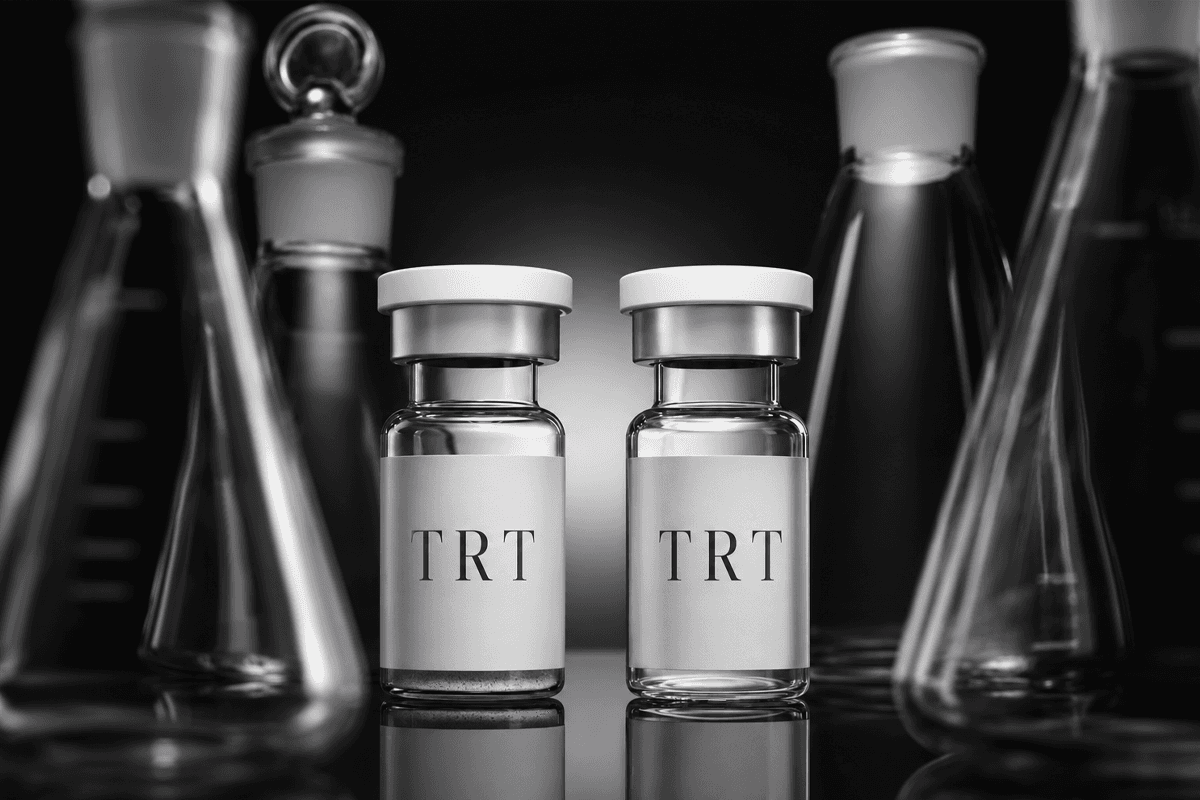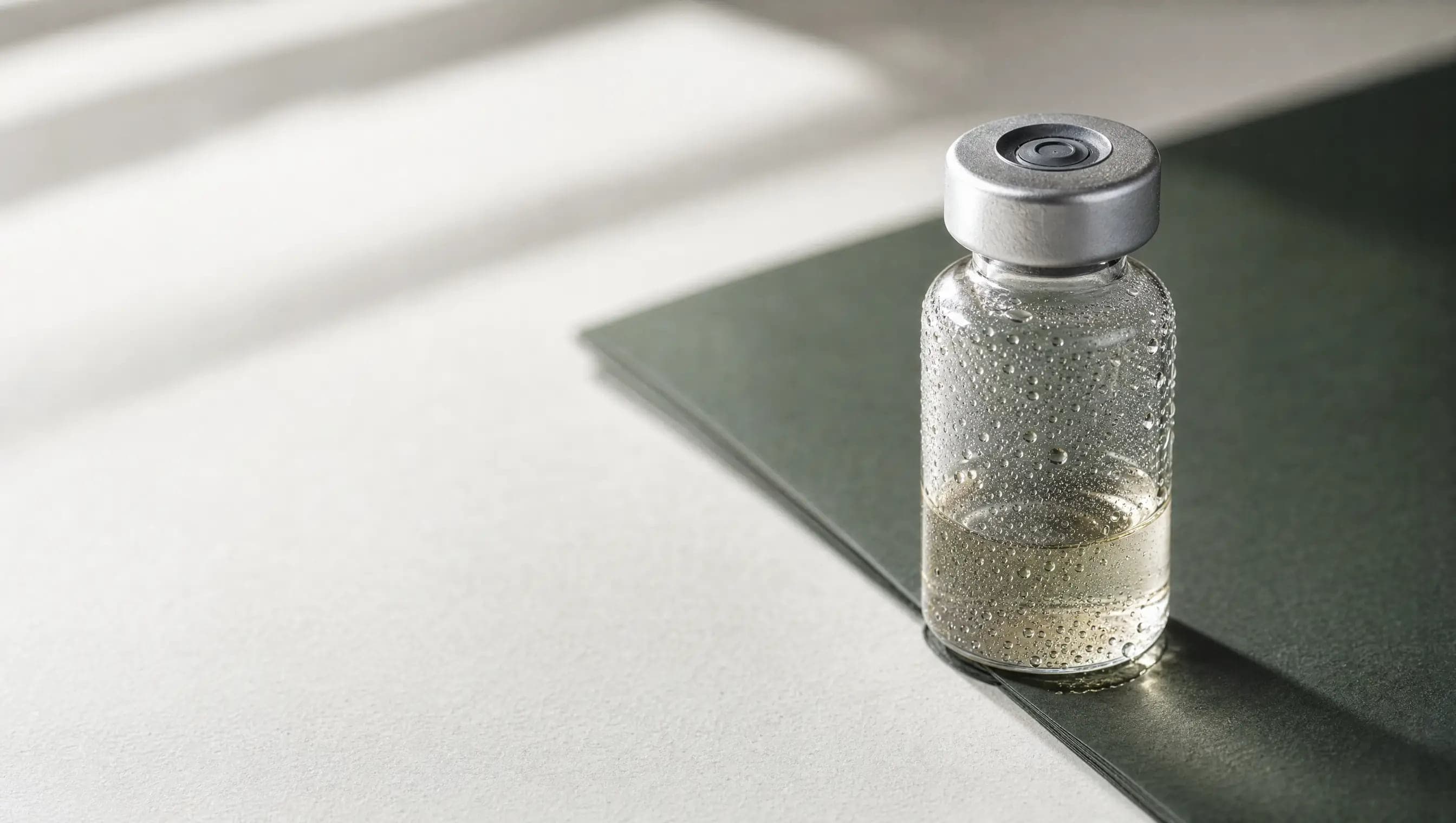
Short Answer
Injectable testosterone doesn't need refrigeration. Store it at room temperature (68°F to 77°F). Keep it away from heat and light, and never freeze it. If a vial has been refrigerated, let it warm to room temperature before injecting.
Refrigerating or freezing testosterone can lead to crystallization or other changes that may affect your dose. This guide explains the basics of room-temperature storage, what heat and light can do to the medication, what to do if crystals form, and how shelf life and handling affect the vial you're using.
What Is Testosterone
Testosterone is the body's primary male sex hormone, supporting muscle, bone, and energy levels. Low testosterone levels can bring symptoms like fatigue, low libido, and mood changes, which is part of why testosterone replacement therapy exists as one of the main treatment options. Prescribed as a medication, testosterone is most often given as an injection. However, gels, patches, and other delivery methods exist too. Learn more about TRT at Prometheuz.
How to Store Testosterone the Right Way
The FDA-approved prescribing information for testosterone cypionate vials specifies controlled room temperature storage. This is specified as 68°F to 77°F, with brief excursions up to 86°F allowed during transit. Refrigeration isn't part of that guidance.
A steady room temperature, not cold, is what actually protects injectable testosterone. Store testosterone in its original packaging, in a dry place away from direct sunlight, and you've covered most of what proper storage requires.
Why Not Just Refrigerate It Anyway?
Refrigeration can actually cause problems. At concentrations used in most testosterone products, the hormone is near the limit of what the carrier oil can hold in solution. Cold temperatures reduce that solubility, which is part of why refrigerating testosterone raises the risk of crystallized testosterone forming, not lowers it. A multi-dose vial handled this way is especially prone to the issue, since it gets opened and exposed to temperature swings repeatedly.
Must Be Protected From Heat & Light
Room temperature doesn't mean "wherever is convenient." A hot car on a summer afternoon, a sunny windowsill, or a bathroom with hot showers can all push well past 77°F into excessive heat territory. Keep the vial in its original carton, away from direct light, in a stable spot like a drawer or cabinet.
If your home regularly runs hot and you don't have climate control, a dedicated medication-safe cooling case is a better solution than the refrigerator. These maintain a stable, moderate temperature without dropping into the cold range that causes crystallization, and without exposing the vial to the kind of extreme heat a hot car produces.
Why Does Testosterone Crystallize?
If a vial has been refrigerated, let it reach room temperature before drawing a dose. Injecting cold oil carries more risk of pain at the injection site.
Crystallization is the other thing to watch for. Below about 59°F, testosterone cypionate can precipitate out of solution as fine, needle-like crystals, visible as floating particles or cloudiness in the vial. If you see this, gently warming the vial to room temperature and rolling the vial gently between your palms is usually enough to dissolve the crystals. Don't shake it. Shaking can introduce air bubbles into the oil and doesn't help the crystals dissolve any faster.
What Happens If It's Exposed to Heat or Freezing Temperatures
Heat is the bigger long-term risk to both potency and safety. Exposure to high temperatures over a longer period can accelerate breakdown of the ester bond, reducing potency over time, and repeated temperature swings can also encourage bacterial growth inside the vial. There's no way to visually confirm heat damage the way you can see crystallization, which is why consistent storage matters more than fixing a problem after the fact.
Freezing is a separate issue entirely. A vial that has been exposed to freezing temperatures, even briefly, shouldn't be used, even after it thaws and looks normal again. If you're unsure whether a vial was compromised by heat or cold, don't guess; consult your healthcare provider before using it.
Shelf Life: How Long Does a Vial Last?
When a correct storage condition is maintained the whole time, testosterone typically remains stable for somewhere between two and three years after it's made. The exact number can vary depending on the formulation and brand, and compounded versions often carry a shorter window set directly by the compounding pharmacy. The number on your specific label, not a general branded timeline, is what actually applies to your vial.
Past the printed expiration date, testosterone doesn't become dangerous, but it can lose potency as its chemical structure starts to break down. A vial nearing or past its date is a conversation for your pharmacist or clinician, not a guess.
Key Takeaways
- Testosterone does not need refrigeration. Store it at 68°F to 77°F, away from heat and light.
- Cold temperatures raise crystallization risk; they don't protect the medication.
- Never freeze testosterone, and never inject a vial that has frozen.
- Let a refrigerated vial warm to room temperature before injecting.
- Correctly stored vials typically last 24 to 36 months. Check your specific label.
Frequently Asked Questions
Is it safe to refrigerate testosterone if my house is hot?
Short-term refrigeration generally doesn't destroy the medication, but let it fully warm to room temperature before injecting, and check for crystals first. A cooling case built for medication is a better long-term solution than a household fridge.
What do crystals in my testosterone vial mean?
Crystallization from cold exposure, not contamination. Warm the vial to room temperature and gently roll it between your palms until the crystals dissolve.
Can I still use testosterone that accidentally froze?
No. Freezing can compromise the medication even if it looks normal after thawing. Don't use it, and talk to your prescribing clinician about a replacement.
How do I know if heat has damaged my testosterone?
There's often no visible sign, which is why consistent storage matters more than checking after the fact. If a vial was left somewhere hot for an extended period, treat it as compromised and contact your clinician.
Disclaimer
This content is for educational purposes only and does not replace medical advice. Always follow the specific storage instructions provided with your prescription, since compounded formulations can carry different guidance than branded products. Contact your pharmacy or clinician with any questions about a specific vial.