Frequent tiredness, low sexual drive, loss of muscle mass, and constant mood swings are not common everyday health issues. The prolonged existence of these issues might indicate low testosterone levels in the body. To treat the issue, healthcare professionals often suggest Testosterone Replacement Therapy (TRT) as a possible solution.
To define Testosterone Replacement Therapy (TRT), it is a medical treatment for those men whose bodies do not make enough testosterone. This guide will help you understand what TRT is, how it works, its risks and side effects, and whether it might be right for you.
What Is Testosterone Replacement Therapy (TRT)?
Testosterone Replacement Therapy (TRT) is a medical treatment that adds synthetic testosterone to the body. Doctors prescribe it for men with a condition called hypogonadism. This condition means the body cannot produce enough testosterone on its own. The goal of TRT is to bring testosterone levels back to a normal range.
There are different TRT treatment options for which various forms of testosterone are used. This ranges from testosterone injections, gels, patches, to oral capsules. Each method has its own pros and cons. Your healthcare professional is the one to decide which method is best for your medical condition during TRT treatment.
Why Does Testosterone Matter For The Body?
Testosterone is not just a hormone, it shapes your body, keeps your energy levels, and helps with bodily functions. According to research studies, it affects the patterns associated with muscle mass, bone strength, and erectile function. Additionally, it also modulates the pathways involved in red blood cell production that support healthy libido (sex drive).
When its levels are healthy, you may feel more energetic and focused. But when levels drop too low, it may affect your whole body. This is why knowing the signs of low testosterone is very important.
Low Testosterone Symptoms: Signs Showing the Need for TRT
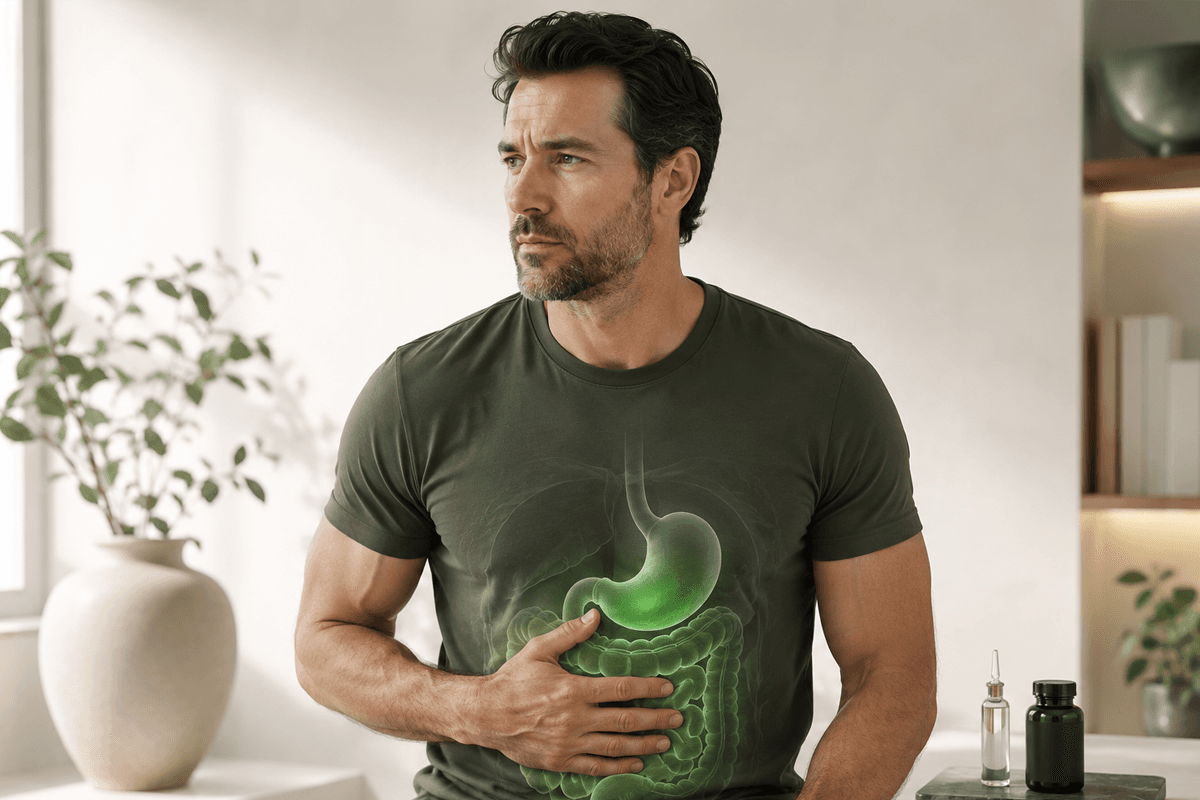
The symptoms of low testosterone may be physical or emotional. Knowing them is essential to understand whether you need TRT or not. Here are the common symptoms of low testosterone. Let’s have a look at them:
- Difficulty in focusing (brain fog)
- Low sexual drive (low libido)
- Erectile dysfunction
- Frequent fatigue
- Loss of muscle mass and strength
- Constant mood swings
If you have these signs, you need a simple lab test to know for sure.
What are the Causes of Low Testosterone?
Low testosterone can happen for many reasons, including aging and certain health problems. After age 30, a man’s testosterone naturally drops by about 1% to 2% each year. But sometimes, the drop is too steep.
Other causes include type 2 diabetes, obesity, and high cholesterol. Certain medicines, like opioids, can also lower levels. Injuries to the testicles or issues with the pituitary gland in the brain are other possible causes. Stress and lack of sleep can play a part too.
Potential Benefits of Testosterone Replacement Therapy
Research shows that TRT may offer several benefits for men with confirmed low testosterone. These benefits are not guaranteed for everyone. Here are the possible benefits of TRT:
Improved Libido (Sexual Drive):
Testosterone is the primary male sex hormone, and it is responsible for libido (sexual desires). By balancing its levels through TRT under medical supervision, a person may feel improved libido and arousal signals in the brain. Similarly, some studies suggest potential improvements in erectile function, though results vary
Increased Muscle Mass and Strength:
Clinical research suggests testosterone plays a role in muscle protein synthesis. These proteins perform two main functions: first, they support building new muscles. Secondly, they may support repairing the damaged muscle tissues during medical treatment. Through these potential roles, testosterone may help increase lean muscle tissue mass in men.
Enhanced Fat Loss:
Fat loss does not mean that testosterone is a magic that helps burn fat easily. However, it affects the pathways that are associated with fat loss during clinical treatment. For instance, testosterone-linked muscle mass is supposed to require more energy for functioning, which is taken from stored fat.
Moreover, testosterone may also support lipolysis, which is the breakdown of large fatty acid molecules into smaller ones.
Improved Mood:
Low testosterone can cause depression and irritability, and TRT may help stabilize mood. During TRT treatment, doctors noticed that testosterone may influence key neurotransmitters, such as dopamine and serotonin. This influence may affect the patterns involved in improving mood, motivation, and emotional stability. Moreover, testosterone may also help in feel more energetic and active during medical treatment.
Are There Any Side Effects of TRT?
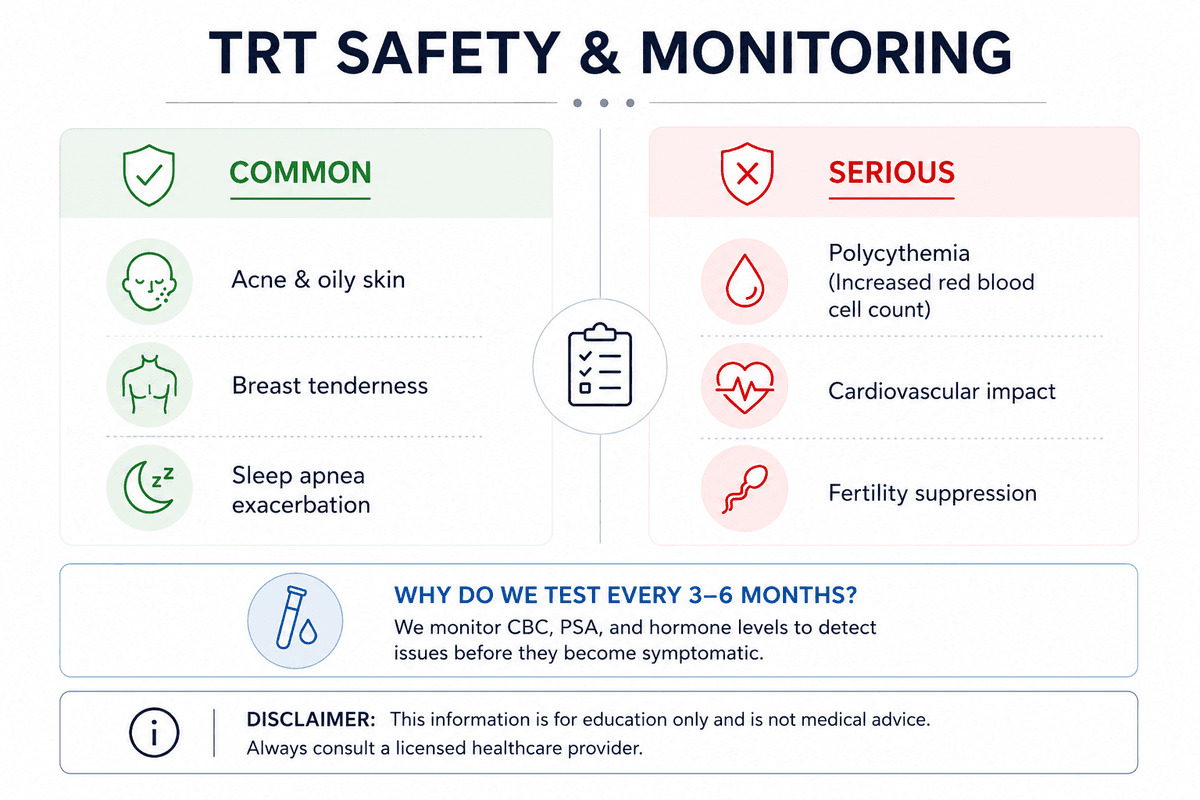
Like all medicines, TRT comes with possible side effects and risks. Not every man gets them. The risks often depend on the dose and how you take the medicine. Regular check-ups with your doctor may help detect the problems early.
Common Side Effects Observed during TRT Treatment:
These side effects are usually mild. They may go away as your body gets used to the treatment.
- Acne and oily skin
- Sleep apnea (breathing stops during sleep) may get worse
- Breast tenderness or swelling (gynecomastia)
- Mood swings or feeling irritable
Serious Side Effects/Risks Observed During TRT Treatment:
Some risks are more serious and need medical care right away. These include a higher chance of blood clots in the veins and risks of heart issues. TRT may also cause polycythemia. This is a condition where the body makes too many red blood cells. Thick blood may raise the risk of a stroke.
Why do These Side Effects Happen: Reasons
Side effects happen because adding external testosterone changes the body’s natural balance. When you take TRT, your body may stop making its own testosterone. This may cause the testicles to shrink. It may also lower sperm production. High doses may turn extra testosterone into estrogen. That is why some men grow breast tissue.
In the long run, hormonal imbalance may occur due to TRT; that’s why many men may encounter health issues after years of taking TRT.
[cta]Who Should Take TRT or Who Should Avoid It?
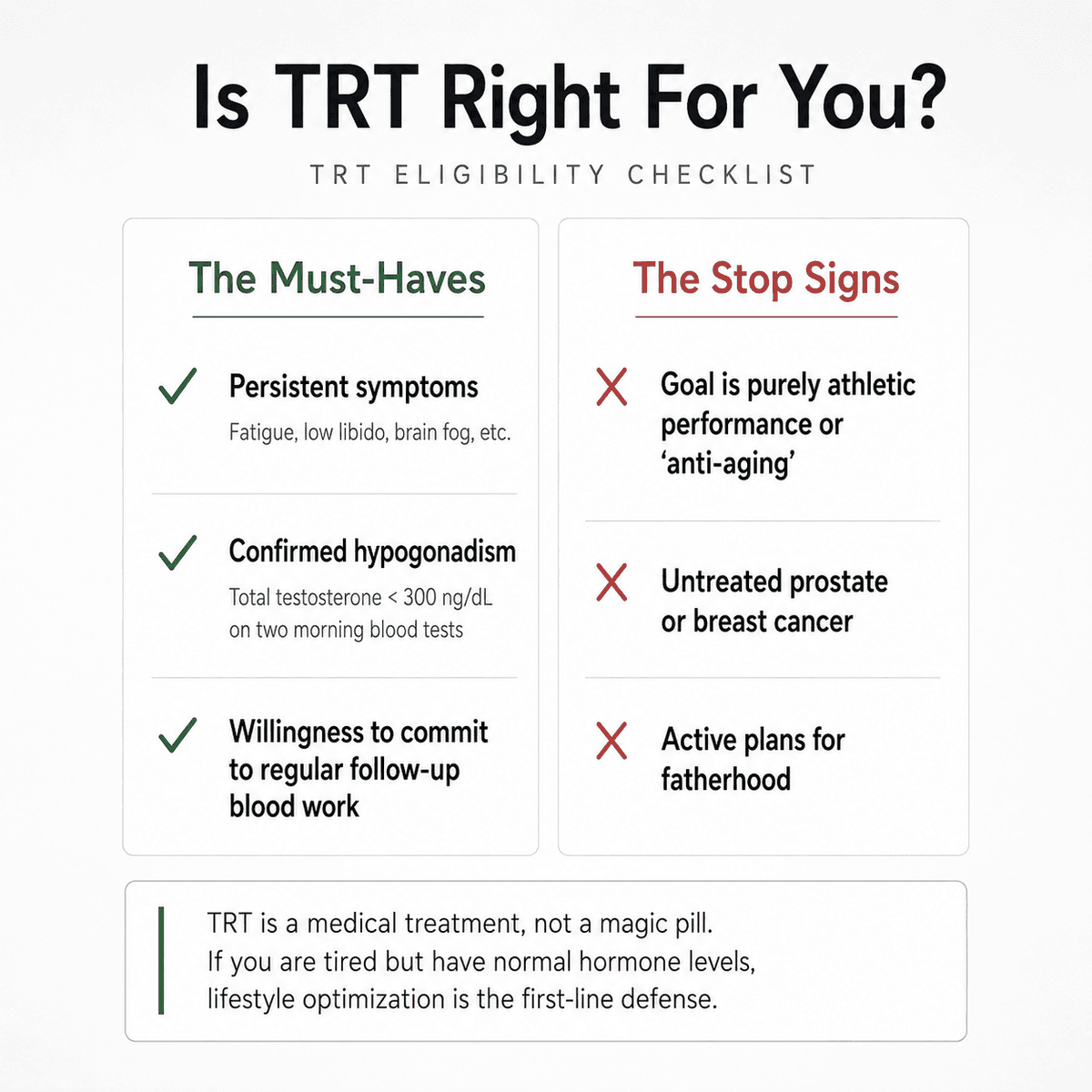
TRT is only for men with confirmed hypogonadism, not for general health or anti-aging. You need both low levels on a blood test and symptoms to be a good fit for TRT. A responsible doctor will not give you TRT just because you are tired.
Ideal People for TRT Treatment
- Men with total testosterone below 300 ng/dL on two morning tests
- Men who have clear symptoms like low libido or fatigue
- Men who understand the risks and will do regular blood tests
People not Recommended for TRT
- Men with untreated prostate cancer or breast cancer
- Men planning to have children soon (due to fertility risks)
- Men with very high red blood cell counts (high hematocrit)
How to Start TRT treatment?
To start TRT, you first need a full check-up and blood tests ordered by a doctor. A good healthcare professional may check your testosterone levels multiple times a day. Once your low testosterone levels are confirmed, the doctor may prescribe TRT treatment.
Do not buy testosterone online without a prescription. It is dangerous and illegal. A good doctor will test your blood twice. They will also check your LH and FSH levels to find the cause.
If you qualify, the doctor will pick a dose and a method (gel, shot, or pill). You will need follow-up blood tests every 3 to 6 months. This ensures the dose is safe.
Note: Long term testosterone therapy needs proper monitoring from a healthcare professional.
What are the Natural Alternatives to TRT?
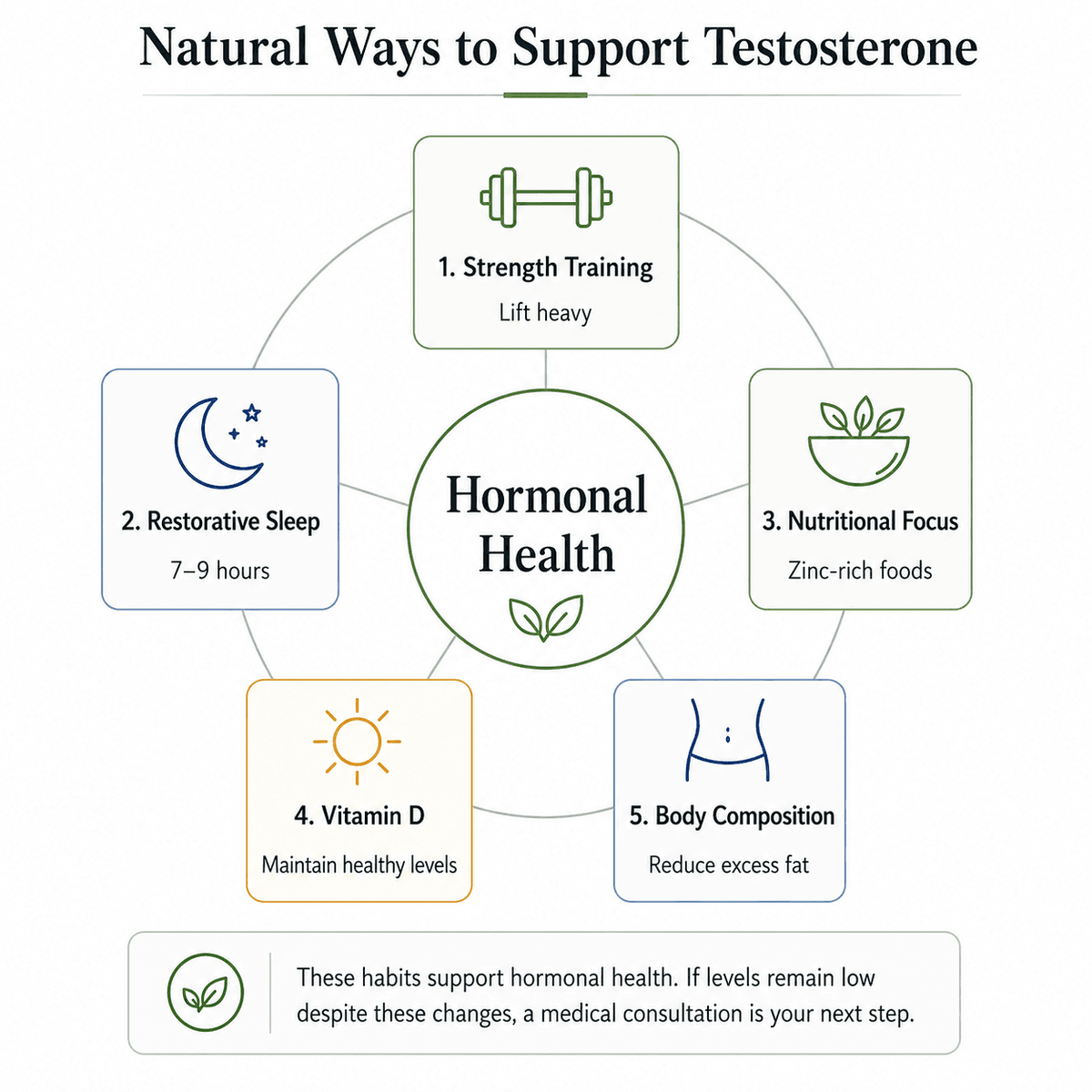
Before trying TRT, some men try natural alternatives to raise testosterone on their own. These methods are safer for men who want to keep their fertility. However, their effects are usually small.
Here are some evidence-based natural alternatives:
- Lift weights (strength training boosts natural production)
- Sleep 7 to 9 hours a night (most T is made during deep sleep)
- Eat enough zinc (found in meat, nuts, and beans)
- Check your vitamin D levels (low D can mean low T)
- Lose excess body fat (fat cells turn T into estrogen)
Does TRT Treatment Affect Fertility?
Yes, TRT may significantly lower sperm count and make it hard to have a child. The therapy sends a signal to the brain that there is enough testosterone. So the brain stops telling the testicles to work. This may lead to low sperm production (azoospermia). For men who want kids in the next year or two, doctors often suggest alternatives like clomiphene citrate or natural diet.
Is TRT Right for You? Get to Know
Deciding if TRT is right for you requires honest talks with a doctor. Do not rely on ads or quick online quizzes. You need real data from your own body. Ask yourself if you have true symptoms. Ask if you are done having children. Think about whether you can commit to lifelong treatment and blood tests.
If you just want to feel better and you have obesity or poor sleep, try lifestyle changes first. TRT will not fix a bad diet or lack of exercise.
Which Tests are Required Before and After TRT?
Before starting TRT, you need a set of baseline blood tests to ensure safety. These tests check your hormones and your general health.
After you start, doctors repeat the CBC and testosterone tests often. They want to keep your level normal (not too high). They also watch your PSA (prostate-specific antigen) and liver function over time.
If you suspect low testosterone, the next step is a validated blood test and consultation with a qualified healthcare provider or you can start TRT with Prometheuz.
Disclaimer: This blog is for educational purposes only. It is not medical advice. Always speak to a qualified healthcare provider for diagnosis and treatment.
Frequently Asked Questions
Is TRT safe?
Yes, TRT may be safe under the supervision of a healthcare professional. But keep in mind that certain side effects may appear during or after TRT. You need to keep in touch with your health service provider.
Is TRT permanent?
No, TRT is not permanent; however, it is a lifelong medical treatment. During TRT treatment, the natural testosterone levels may go down; therefore, doctors often suggest a prolonged TRT treatment.
What does TRT do to the body?
Testosterone Replacement Therapy (TRT) impacts the patterns involved in improving libido, mood, and energy levels. Moreover, it may also affect muscle mass and bone strength.
Why are doctors so against TRT?
TRT is only intended for those men who are clinically diagnosed with low testosterone levels. In today’s era, people often use it for improving athletic performance, increasing energy levels, and influencing mood without medical prescription. Therefore, doctors are so against TRT.
Does not ejaculating for 7 days increase testosterone?
There is no consistent scientific evidence that abstaining from ejaculation significantly increases long-term testosterone levels.
References:
- Corona, Giovanni, Luiz Otavio Torres, and Mario Maggi. "Testosterone therapy: what we have learned from trials." The journal of sexual medicine 17.3 (2020): 447-460.
- McKinney, C. J., J. W. P. Hazell, and R. L. Graham. "An evaluation of the TRT method." Proceedings of the sixth international tinnitus seminar. Hyperacusis & Tinnitus Centre, London, 1999.
- Barbonetti, Arcangelo, Settimio D’Andrea, and Sandro Francavilla. "Testosterone replacement therapy." Andrology 8.6 (2020): 1551-1566.
- Lawrence, Allen. "What is TRT: A Complete Beginner’s Guide."
- Tsametis, Christos P., and Andrea M. Isidori. "Testosterone replacement therapy: for whom, when and how?." Metabolism 86 (2018): 69-78.
- Hazell, J. W. P. "The TRT method in practice." Proceedings of the Sixth International Tinnitus Seminar. Norfolk, UK: Biddles Short Run Books, 1999.